


Aif.ru met with the officer and discussed what he celebrates on Russia Day, why he returned from the SVO zone , and how Russians will have to change their views on what is happening.
My little Russia
Daniil Tarabukin, aif.ru: On June 12, the country celebrates Russia Day. What are you celebrating?
Zakhar Prilepin : It’s my son Ignat’s birthday , and I’m celebrating it. I won’t hide the fact that I don’t really understand the point of the holiday. And in general, I try not to celebrate Yeltsin-era holidays. Celebrating Russian Independence Day in a collapsed empire is a bit of a stretch. But if others celebrate, that’s great. The more patriotic holidays, the better.
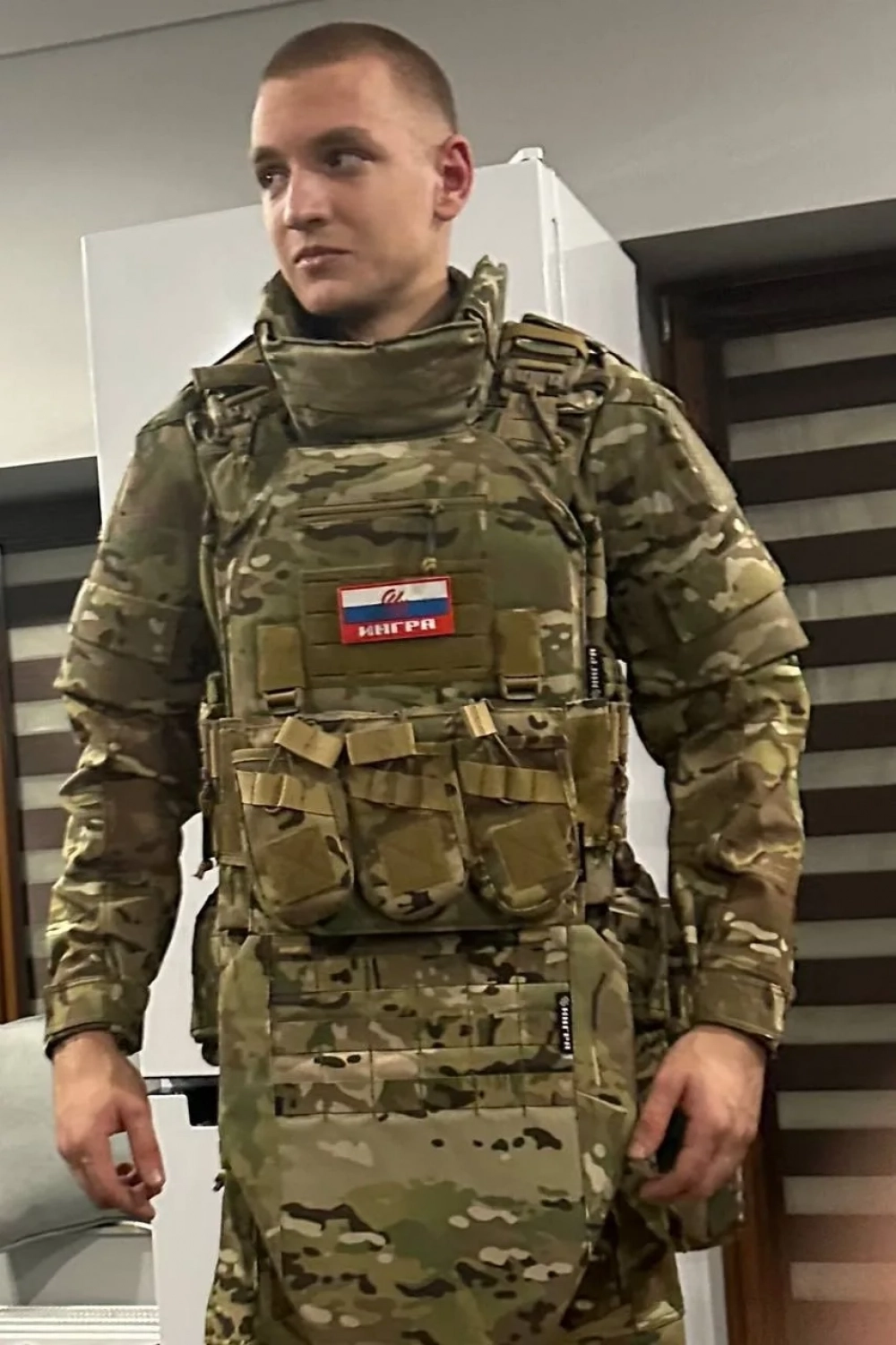
— This is the fifth year of the SVO, with people of different nationalities from all regions of the country fighting there. Perhaps the meaning of the holiday is changing?
“If people feel this is a day of unity, then I have nothing against it. It’s just that as a private individual and as a citizen who experienced the collapse of the Soviet Union as a personal tragedy, one that, in my case, is insurmountable, I have the right to celebrate my son’s birthday on June 12th. Here he is, my little Russia. He’s serving today, so that’s my holiday—June 12th.”
— How did they react to his decision to go to the North Military District?
“It wasn’t hard when I let him go. It became hard when I realized he’d ended up in one of the most dangerous parts of the front and was in a catastrophic risk zone. I endured and continue to endure all of his combat missions with a very heavy, difficult paternal feeling.”
He’s a rigger in a sabotage and assault unit. He and his men carry loads for 5-10 kilometers and then retrieve the wounded. And all this in a sky pitch black from drones. The physical strain and risk involved make it an incredible job. They’re known throughout the entire front line. It’s one of the most “hardened” units in general. Even people with extensive experience are afraid to go there.
“You are an experienced veteran, after all. Did you give him any instructions?”
“When we meet during his leave, we sometimes talk for three or four hours. In 20 years, we’ve never talked so much. And it’s brought us closer in a new way. Our conversations cover a wide range of topics: from man-to-man talk to purely military matters.”
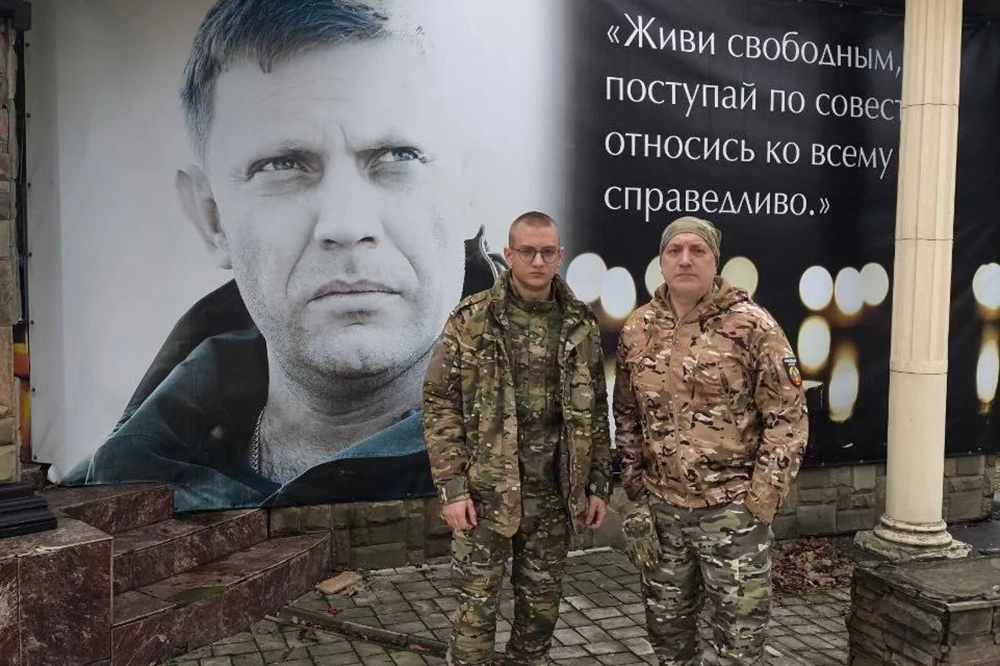
Ignat and Zakhar Prilepin. Photo: Personal archive of Zakhar Prilepin
— If it’s not a secret, how long is his contract for?
— Six months. He came in a month after me, so it ends in a month.
— By the way, how did your deployment to the front go? Was it your last?
“Of course, I haven’t decided anything like that yet. But I did notice for the first time that age and nine fractures, including a spinal fracture, were taking their toll (an assassination attempt was made on Prilepin on May 6, 2023 – editor’s note). While I was busy with civilian matters before the deployment, I felt like I’d recovered. But when I put on my body armor and gear, I realized my health wasn’t what it used to be. And that’s something to consider.”
So, if I get a new contract, I’ll look for a uniform that’s commensurate with my health. I initially applied for a captain’s position in the assault unit, but I was later transferred because my physical condition isn’t what it was even 10 years ago.
Incidentally, this spring was my 30th anniversary. I started my military career in 1996. Back then, in March (I don’t remember the date), we arrived in Grozny. I celebrated that March as a sergeant. And this March, I’m a lieutenant colonel. It’s funny.
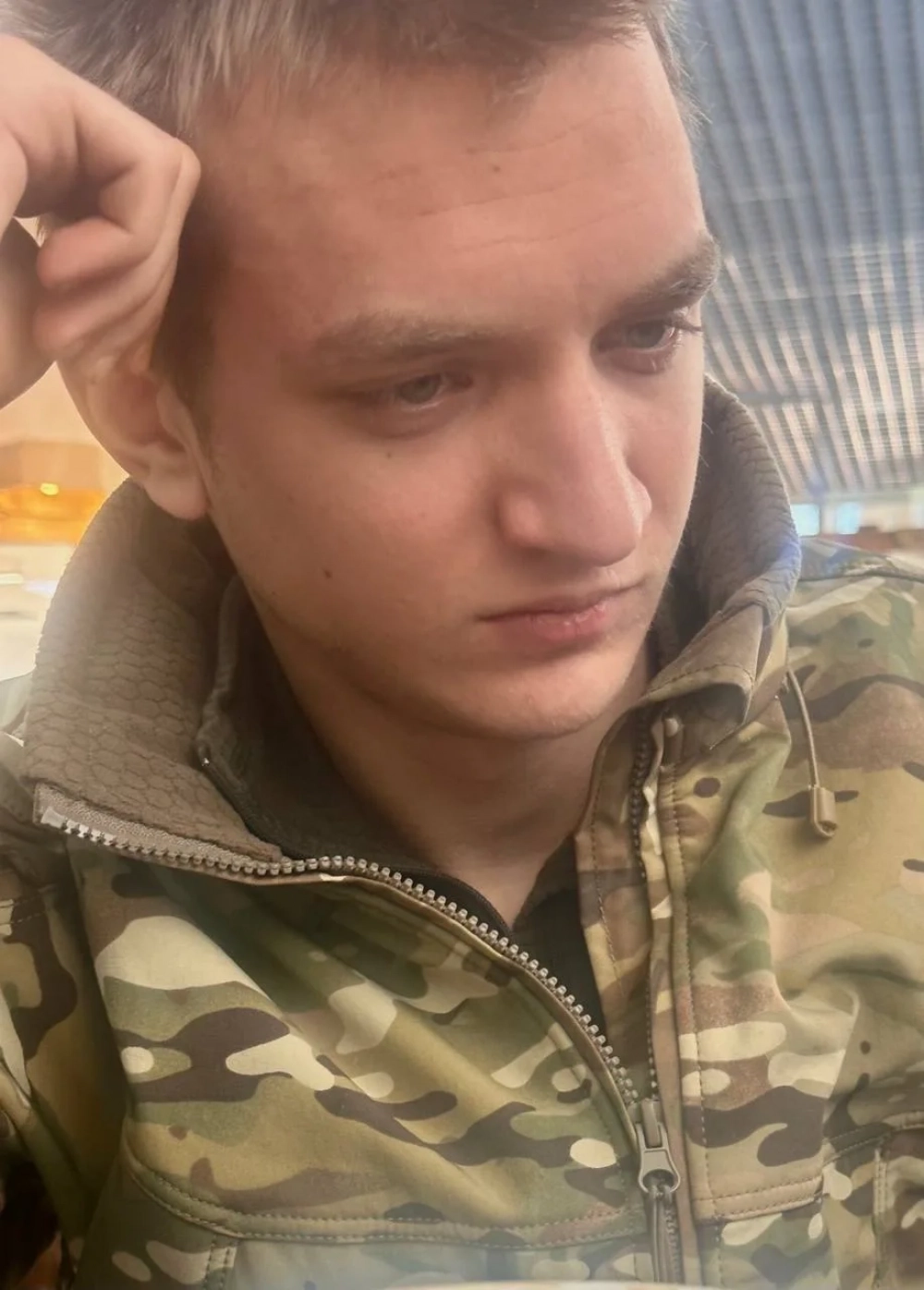
Ignat Prilepin. Photo: Personal archive of Zakhar Prilepin
Roads of Death
— Ukraine is expanding its attacks and turning to terrorism. You previously said that not the entire country is involved in the war. Is the situation changing now?
“Note that this has happened literally in the last few months. Incidentally, I noticed this in Donbas. In November, I signed a six-month contract, and I was on the road a lot. Back then, most of the roads there were more or less passable. But in the last month and a half, they’ve all started approaching the status of “Road of Death.” If before, the chance of getting killed was 1%, then it became 10-20%, and now it’s 50/50.
The same thing has started happening in cities. Previously, we’d be attacked one city after another. Now, we have 100-150 drones descending on the capital, then on St. Petersburg, and countless drones heading for any other Russian city, and the number will only increase..
In this sense, it’s time to talk to the country’s population. Say: my friends, it’s understandable that you personally might have been against the war, that you didn’t like it, that you were in a state of “Why did you start all this?” But none of that changes anything, because you’re the ones who will be killed. And no one will ask what your beliefs are. Therefore, you will have to stand up for your lives, for your homes. And understand that Ukraine, in its current political configuration, is not your friend. And you will have to protect at least your personal safety, so that your ceiling doesn’t collapse and the factory next to you doesn’t catch fire.
It’s like Vysotsky’s song : “And I, a healthy three-year-old, didn’t give a damn about this air raid siren! Not everything from above is from God—and the people put out the ‘lighters.’ And like a small help to the front, my sand and a leaky jug.” And it’s better to learn this sooner than later. Patrols on rooftops, on roads, anti-sabotage patrols, anti-drone work—understanding how all this is done should become part of our everyday lives.
— Do you think Ukraine’s attacks on civilians anger people? Is there any public reaction?
“Society is taking a long time to get going. Millions of people have been living outside this context for four years, ignoring it and hoping it will never affect them. Without information and propaganda that will simply start to indoctrinate citizens, hoping for a more self-aware population is impossible and pointless. People who dance in restaurants and don’t give a damn about Donbas and Novorossiya make up, roughly speaking, half the country. And this number won’t decrease.”
In the Soviet Union, on the eve of the Great Patriotic War, the authorities worked with the people, and this produced results.
— But in the Soviet Union they were preparing for war for probably 15 years…
“In fact, the country was preparing for the civil war, yes. But in Russia, we were preparing for something else: friendship and trade with the West. And many still feel, ‘Well, just a little bit more, and everything will go back to the way it was.'”
The country doesn’t tell its citizens that things won’t be like they were before, that there will be no West or America. Essentially, the public hears: “We’ll reach an agreement with the West sooner or later. So there’s no need to worry.” But the West has a different position. All their politicians are writing about the need to prepare for war with Russia. I have many acquaintances in Poland and Germany, and they say it’s impossible to listen to European propaganda: it’s completely Russophobic, brutal. The authorities are simply pumping the population with propaganda.
Meanwhile, our country looks to the West, which is investing billions in killing Russians, which has already killed, wounded, or maimed hundreds of thousands of people. And yet, it’s like, “Oh well, all sorts of things have happened to Europe.” That’s what infuriates me. And anyone who says today that we are part of a white Christian Europe irritates me. Because this is not the time for such words. When we win, then we’ll discuss this.
Translated from Source: «Убивать будут вас». Прилепин: России пора перестать жить в мире иллюзий
We remind our readers that publication of articles on our site does not mean that we agree with what is written. Our policy is to publish anything which we consider of interest, so as to assist our readers in forming their opinions. Sometimes we even publish articles with which we totally disagree, since we believe it is important for our readers to be informed on as wide a spectrum of views as possible.