


In this context, Iranian officials point out that they delivered a logical and clear response to the letter from US Vice President J.D. Vance, underlining that the ball for an agreement is in the court of the US, while simultaneously warning that should US attacks recur, retaliation will prove harsher and more extensive. For their part, American forces stand at full readiness awaiting orders from President Trump, who indicated he does not rule out issuing directives for a strike on Pickaxe Mountain, where Israeli intelligence reports uranium enrichment processes continue. Indeed, prominent American journalist Tucker Carlson estimated, citing sources, that the US might even launch a nuclear strike on the underground complex at Pickaxe Mountain in central Iran since conventional weapons cannot destroy it. He further maintained that Trump’s decisions will have been made by November 7.
“We can do it in an hour”
US President Donald Trump claimed that Washington might be forced to target facilities at Kolang (Pickaxe) Mountain in central Iran, where intelligence from Israel suggests Iranians continue the uranium enrichment process. Donald Trump, in an interview with television network Fox News, maintained that Iran possesses a certain quantity of missiles and unmanned aerial vehicles (drones), but its capability to manufacture more remains severely restricted. “We might have to hit Pickaxe. We can do it within one hour, whenever we want, at any time. This doesn’t look like a war. Right now, no war is being waged. It could start if they don’t proceed with an agreement. However, they want to reach an agreement very badly, and there are fairly good chances we will achieve an agreement,” Trump said. It is recalled that American journalist Tucker Carlson maintained yesterday (Nov 2) that the US might launch a nuclear strike against Iran within the coming days at the underground complex on Pickaxe Mountain under pressure from Israel, reporting that the final decision will be taken by November 7.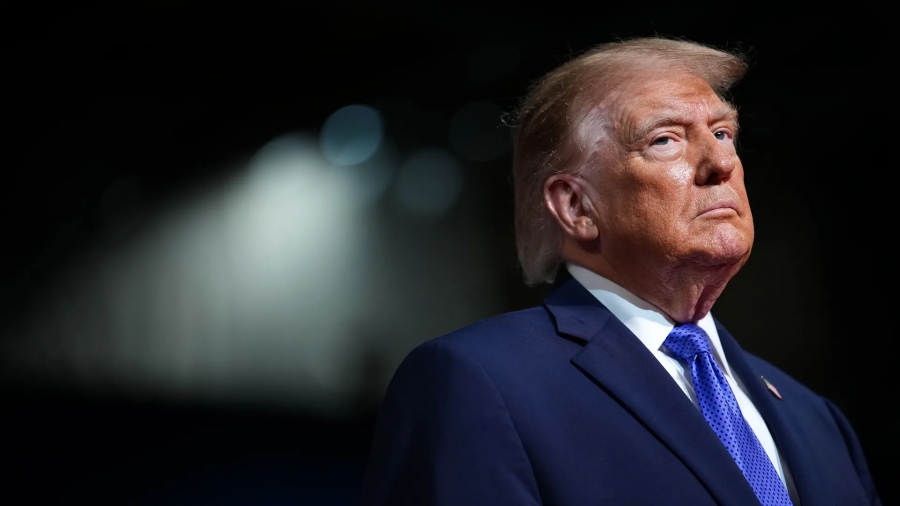
Diplomatic efforts intensify
Against the backdrop of these nightmarish scenarios, diplomatic efforts have intensified over the past 48 hours to avert a fresh conflict between the US and Iran. A Qatari delegation visited Tehran last past Friday, following the letter sent by JD Vance to Iran, followed by a new round of talks between Iranians and Qataris in Doha. Qatari authorities attempt to mediate contacts with Iran not for the immediate achievement of a peace agreement, but to shape a framework allowing negotiations to resume. Indeed, a Qatari delegation traveled to Tehran once again yesterday, Monday (Nov 2), where it remained for approximately four hours before returning to Doha. The assessment holds that Qatari officials conveyed a message to the Iranian leadership and departed immediately following its delivery.
Hope exists
Qatari Foreign Ministry spokesperson Majed al-Ansari stated that the US and Iran “remain committed to the negotiation process,” with Qatar facilitating the “exchange of proposals between the two sides in real time.” Although he clarified he could not provide information on specific developments, he expressed optimism regarding prospects for finding a solution. “If there were no hope, there would be no negotiations. As long as all sides remain committed to working together, this means hope exists,” he stated.
The primary obstacle
Analysts maintain that the primary obstacle continues to be a deep lack of trust between the two sides. Iranians argue that on two previous occasions the US launched military attacks against them while diplomatic negotiations were underway. After all, earlier this morning Americans launched fresh attacks in regions of Iran, specifically in Bandar Abbas and Qeshm, although they spoke of limited-scale strikes that will not escalate. For this reason, Tehran now demands concrete and tangible actions from the American side, such as lifting sanctions, terminating the naval blockade, returning frozen Iranian assets, and restoring Iran’s capability to export oil to international markets in order to accept initiating diplomatic contact.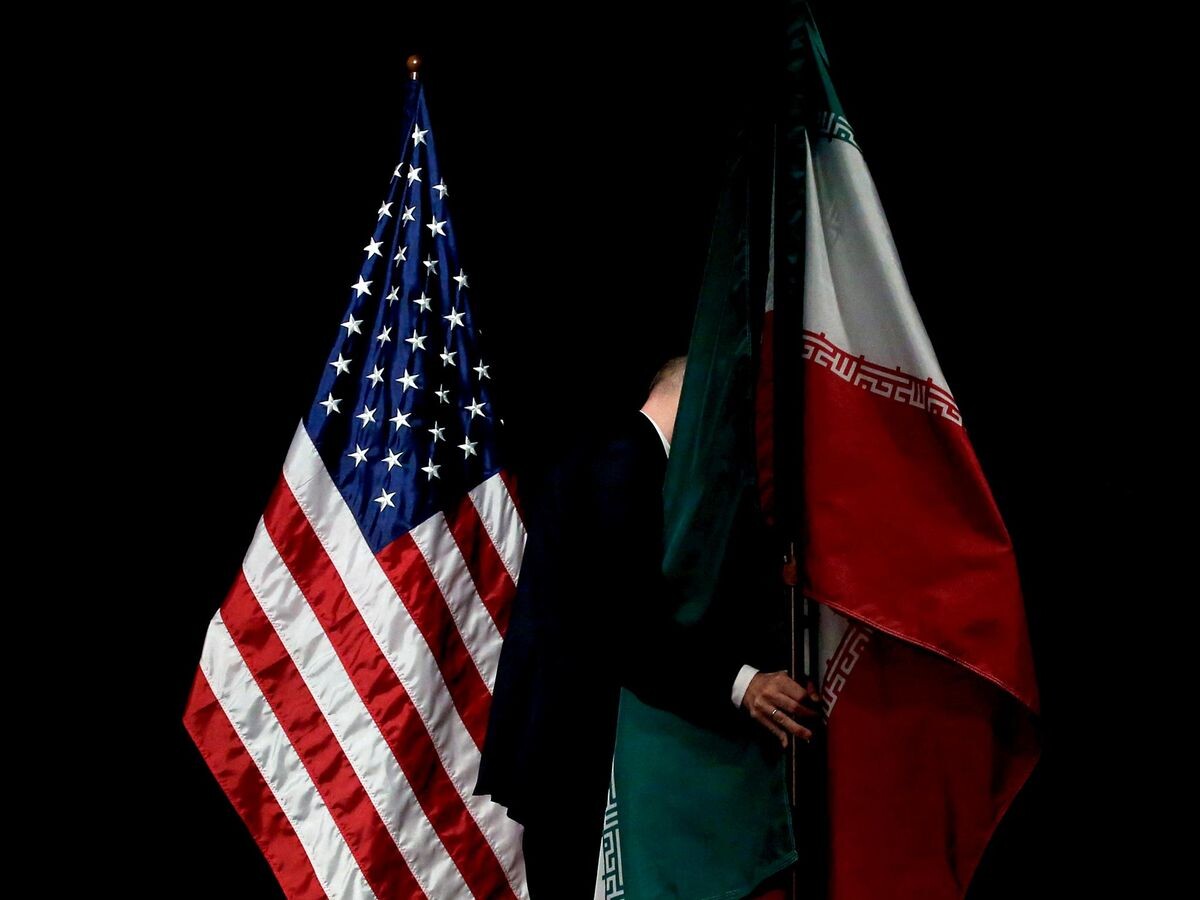
Agreement is far off
Iran and the US remain still far from achieving an agreement to end the conflict, as Tehran considers Washington’s demands excessive, maintains Reuters, citing a high-ranking Iranian official. “Iran and the US are far from reaching an agreement to end the war. Tehran will not accept Washington’s ‘excessive demands’,” Reuters points out. According to the Iranian official, reopening the Strait of Hormuz requires prior satisfaction of terms set by Tehran.
Gharibabadi (Iranian Deputy FM): If our demands are met, a diplomatic agreement can be achieved
In statements responding to journalist inquiries regarding negotiation progress and the previous night’s clashes, Kazem Gharibabadi, Iranian Deputy Foreign Minister for legal and international affairs, stated: “Contacts, as well as the exchange of messages via mediators, continue. Iran’s seven-point plan constitutes our basis for resolving issues through Qatari mediation. Contacts currently taking place are based on the same text, upon which we have received observations. If Iran’s demands are met, we will be able to say we have reached a diplomatic understanding,” the Iranian Deputy Foreign Minister emphasized.
Breitbart: US and Iran examining new proposals for agreement
The United States and Iran are separately examining new proposals from mediators aimed at achieving an agreement, according to a Breitbart report citing a source familiar with the negotiation trajectory. As the American media outlet reports, following the meeting held in Tehran with mediators from Qatar, a new framework for reaching an agreement with Iran appears to be taking shape. A Breitbart source familiar with discussion content characterized negotiations as “positive.” According to the report, Washington and Tehran are separately reviewing proposals submitted by mediators.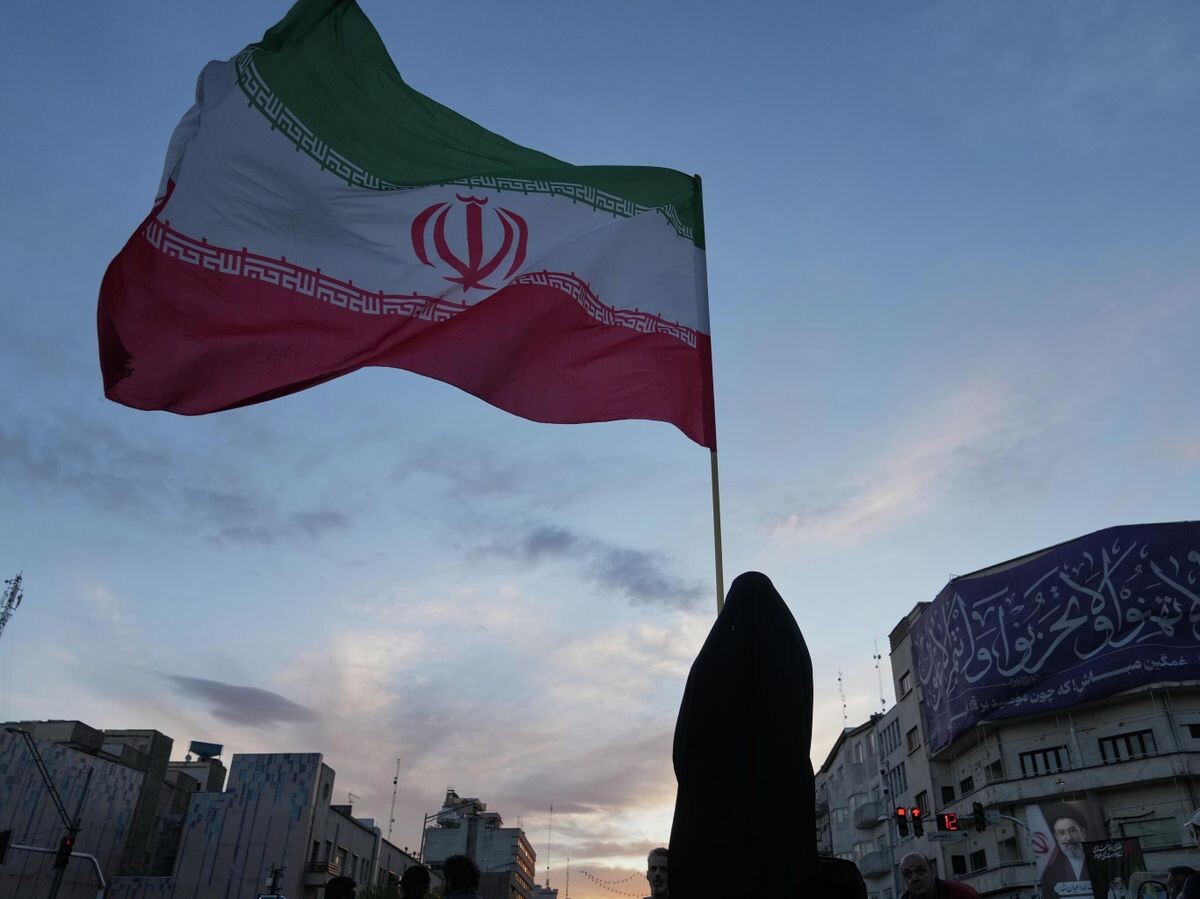
Ghalibaf (Iran): The ball is in the US court to avert war
Iranian Parliament Speaker Mohammad Bagher Ghalibaf stated that responsibility for averting a war now lies with the United States, given that Tehran sent Washington a decisive and rational response. Ghalibaf stressed that regional countries should know Iran delivered “a strong and logical response to the American side, and now the ball is in the US court to prevent war.” He added that Iran stands in full readiness for military confrontation “with its finger on the trigger,” warning that any strategic error by Washington could force American troops into a fresh combat theater.
Final Iran warning: We will strike US everywhere if they attack again
Mohammad Akraminia, spokesperson for the Iranian armed forces, warned that any new aggressive action by the US will trigger an immediate and wider-scale response extending beyond Western Asia, according to semi-official Iranian news agency Mehr. Spokesperson Mohammad Akraminia stated that any future US military operation will be met with strikes “harsher and wider in scale than in the past.” He also warned that if a new war breaks out, “the geographic scope of the conflict will not be limited to the Western Asia region.” Akraminia added that Iranian armed forces continuously update their target lists to strike all types of hostile installations and assets. In case of a new conflict, he noted, American “installations, equipment, personnel, and interests in any location within range of Iranian forces could constitute targets.” He also claimed Iran’s opponents attempted to establish a land front along the country’s western border by arming anti-government organizations based in the semi-autonomous Kurdish region of northern Iraq. However, according to him, deploying Iranian military units and executing “preemptive operations against positions of these organizations” successfully averted their plans.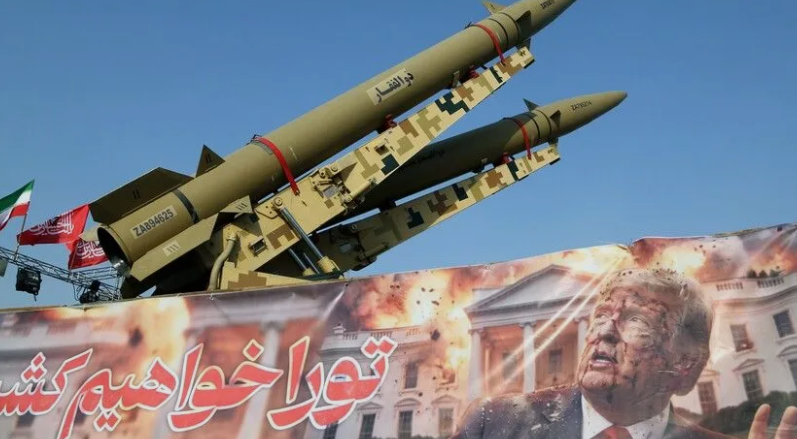
Roadmap for Iran’s security
Chief of the General Staff of Iran’s Armed Forces, Major General Ali Abdollahi, presented a roadmap aimed at safeguarding the country’s long-term security. The plan, summarized by Iranian state broadcaster IRIB, encompasses five core terms:
-
Termination of hostilities on all fronts, including Lebanon and Gaza.
-
Complete lifting of sanctions against Iran and unfreezing of all frozen Iranian assets.
-
Payment of war reparations to Tehran for damages caused by the conflict.
-
Recognition of Iran’s sovereignty over the Strait of Hormuz.
-
Provision of guarantees to prevent future attacks against Iran and establishment of a regional security framework for Western Asia.
According to Ali Abdollahi, the above preconditions form the basis of the plan for achieving Iran’s lasting security… and consequently an agreement with the US. Furthermore, he underlined that Iran has emerged as a fourth pole of power through its control of the Strait of Hormuz.
We did not seek the war ourselves
“We did not seek war nor did we initiate any military conflict. War was imposed on us. If they claim they seek a diplomatic settlement, they must respect the demands formulated by our country,” emphasized Iranian Deputy Foreign Minister Gharibabadi, adding: “We find ourselves currently in war conditions. Iran has repeatedly stated it remains committed to diplomatic dialogue while knowing it cannot trust the United States. Iran stands prepared for any eventuality. If the United States chooses to follow a different scenario, Iran is determined to defend itself.”
Why US attacked Iranian military installations on Qeshm Island
The United States executed strikes against Iranian military installations on Qeshm Island. “The United States is hitting radars and missile launchers,” maintained NewsNation American television journalist Kelly Meyer. Iranian television network Press TV reported overnight explosions on Qeshm. Shortly prior, according to the same network, the Aerospace Force of the Islamic Revolutionary Guard Corps (IRGC) shot down two American MQM-170 reconnaissance drones south of the island. Later, the Revolutionary Guards announced they intercepted two additional unmanned aerial vehicles. A US official told CNN that the United States attack constituted a response to Tehran’s actions. According to information from Axios journalist Barak Ravid, on November 2 Tehran launched a missile from Qeshm Island against an American aircraft in the Strait of Hormuz. “As a US official reported, an American fighter jet subsequently destroyed the ground-based missile launcher in self-defense,” Ravid wrote on platform X.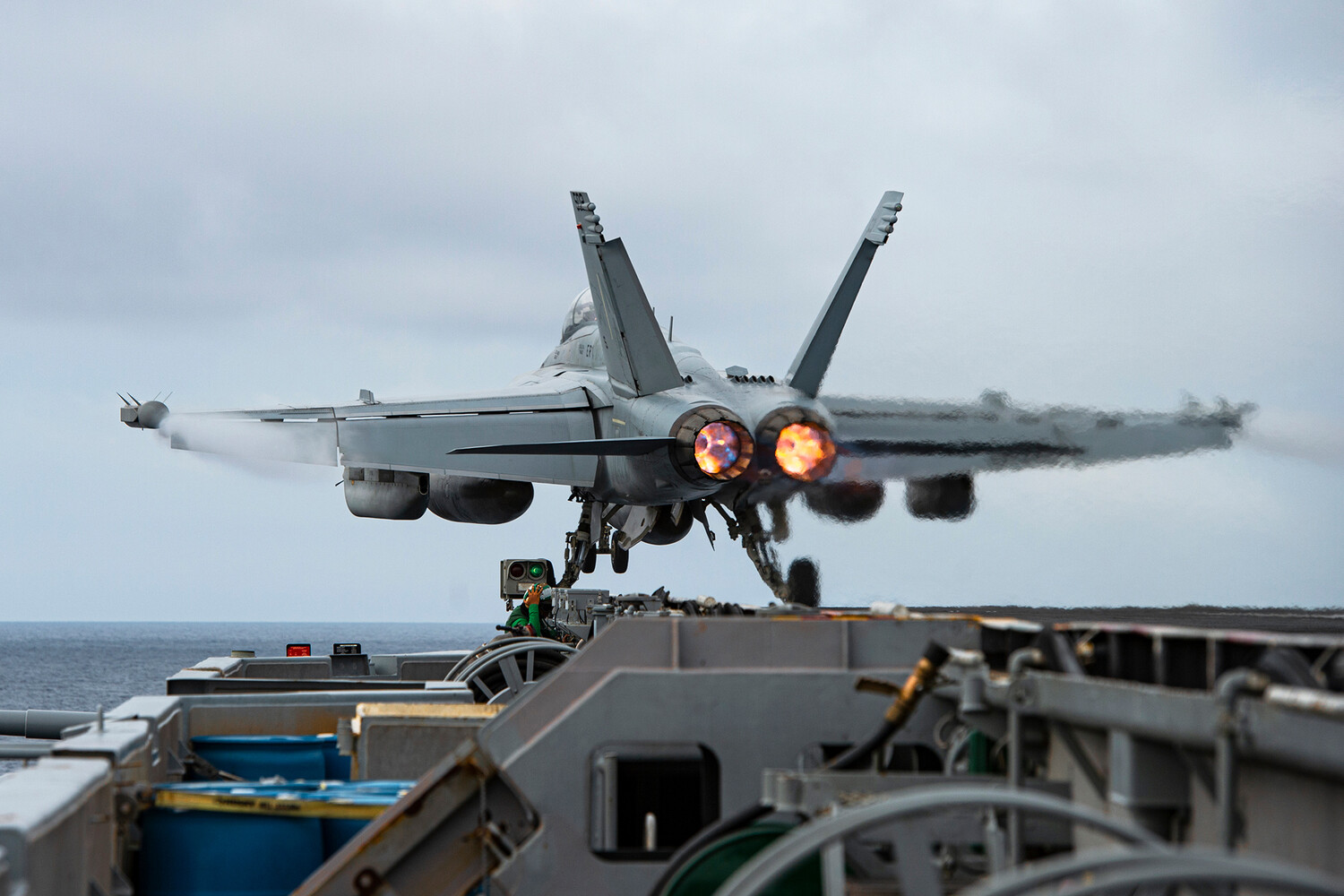
“Mild war”
Kelly Meyer’s sources maintain this does not represent a fresh conflict escalation. The journalist’s interlocutors characterized the American attack as “a light blow.” Concurrently, as The Wall Street Journal reported, Washington has been executing “small-scale defensive strikes” against Iran for several weeks. These operations are deliberately kept secret to prevent creating the impression that the United States plans to restart a large-scale military operation. On November 2, United States President Donald Trump rejected this possibility. When journalists asked whether the US plans to resume military operations in the Middle East, he responded negatively. “We had a war with Iran. We won. I don’t even know if we can call it a war because we haven’t fought for several months,” the White House chief stated, per The Wall Street Journal. In an interview with Fox News, Trump also stated that what is happening in Iran is not an “endless war,” but a “mild war” which the United States can terminate at any moment. The US president avoided commenting directly on the strike on Qeshm Island. However, he underscored that if the next round of peace talks yields no results, the United States will soon unleash “the entirety of its power” against Tehran.
Read also: Report: Netanyahu pressed Trump to resume Iran war after US midterms; president undecided
Source: www.bankingnews.gr
_____________________________________________________
Tucker Carlson Says Trump Is Considering a Nuclear Strike on Iran’s Pickaxe Mountain
Tucker Carlson claimed in a post on X on Sunday night that the Trump administration is considering launching a nuclear strike targeting Pickaxe Mountain in central Iran and that the president is expected to make a decision by November 7.
“Under pressure from Israeli prime minister Benjamin Netanyahu, the Trump administration may be within days of launching a nuclear strike on Iran,” Carlson wrote.
Carlson said that Israeli intelligence has claimed that the “Iranian government has restarted its nuclear enrichment program” underneath Pickaxe Mountain, allegations that Tehran has denied.
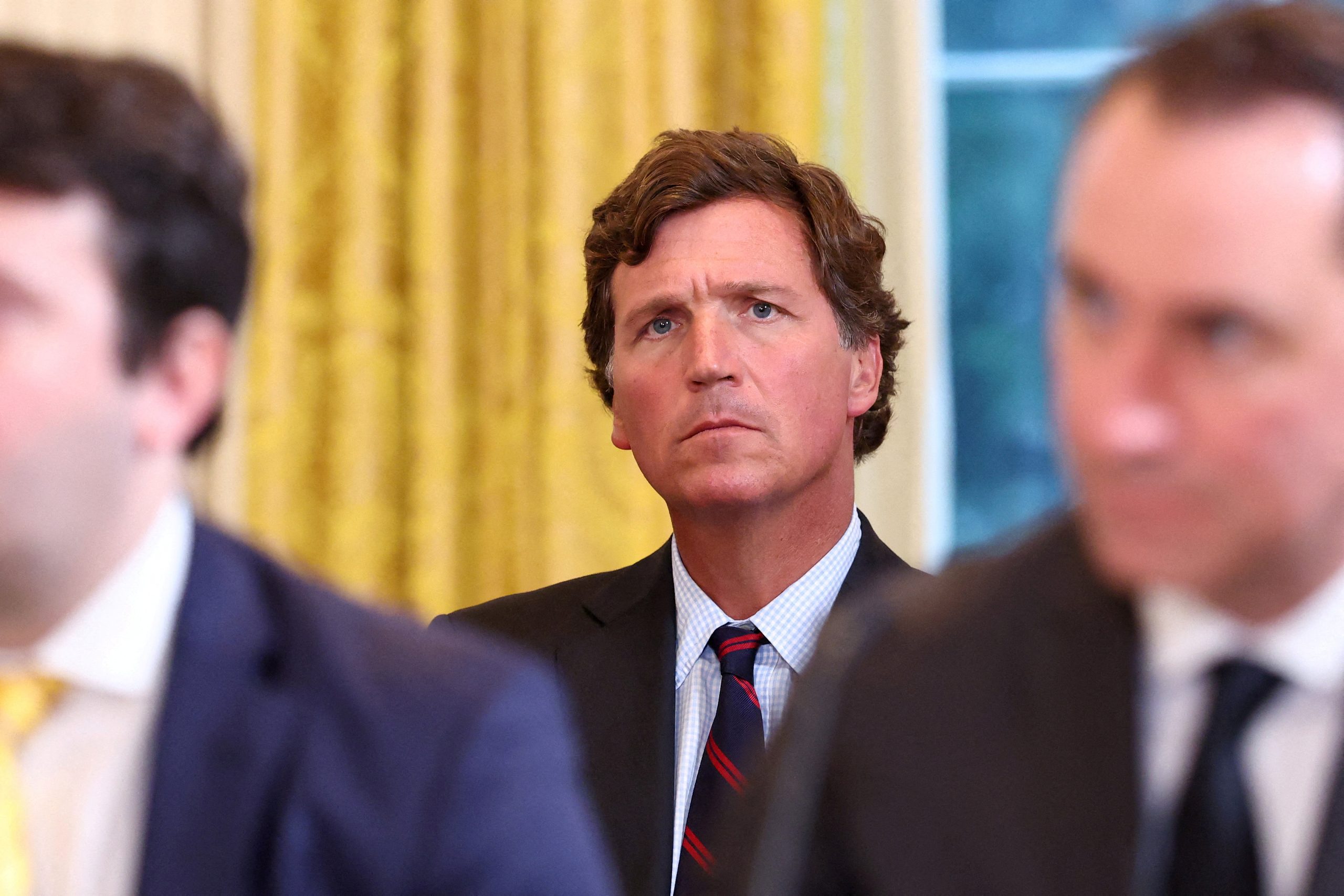 Tucker Carlson looks on during President Trump’s meeting with oil industry executives, at the White House in Washington, DC, January 9, 2026. REUTERS/Kevin Lamarque
“No conventional weapon in the American arsenal can penetrate 300 feet of solid granite to destroy the tunnels where enrichment is supposedly taking place,” Carlson said.
For his part, Trump has publicly ruled out using a nuclear bomb against Iran, but he has been threatening to strike Pickaxe Mountain. “We’ve knocked out their nuclear. We still have to take care of, I would say one or two sites, but we can do that in 10 minutes,” Trump told reporters over the weekend. “You probably could look at Pickaxe Mountain, and you have to take care of that. We can do that all very quickly.”
Continue reading at: antiwar.com
We remind our readers that publication of articles on our site does not mean that we agree with what is written. Our policy is to publish anything which we consider of interest, so as to assist our readers in forming their opinions. Sometimes we even publish articles with which we totally disagree, since we believe it is important for our readers to be informed on as wide a spectrum of views as possible.