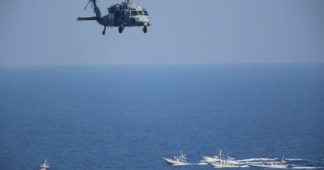
As the war between the United States and Iran enters its third week, it is clear that the intensified fighting is also having devastating consequences for the fragile marine life in the Persian Gulf and the Gulf of Oman.
Marika Griehsel
12 Mar, 2026
‘Few people are thinking about animals and nature right now, but there are several red-listed species here that were already endangered before the war. Now the situation is becoming even more difficult for rare porpoises and dolphins, for example,’ says a marine biologist with extensive experience of research in the region who wishes to remain anonymous.
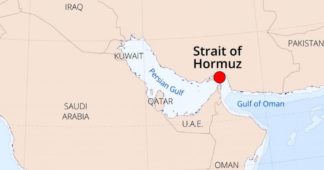
The narrow Strait of Hormuz between Oman and Iran, which connects the Persian Gulf with the Gulf of Oman, is home to unique and biologically diverse marine life. Species and plants are adapted to extreme conditions and are highly dependent on functioning ecosystems.
Unique mangrove forests are at risk
Along the coasts on both sides of the Persian Gulf are mangrove forests and seagrass beds where herbivorous species such as manatees and dugongs graze. The area is also an important migration route for whales, including Bryde’s whale, the critically endangered Arabian humpback whale and whale sharks. Green sea turtles and hawksbill sea turtles also live and breed in the region.
There are over 700 different fish species in the Persian Gulf, including commercially important species such as king mackerel, grouper, snapper, barracuda, trevally and tuna.
The marine biologist has spent several years researching sensitive coral reefs and diving in many locations in the region, including Kish Island in Iran.
‘Explosions above and below the sea surface create enormous noise and shock waves. Whales, dolphins, turtles and fish can become disoriented, lose their hearing or suffer severe injuries. For species already living on the edge in this extremely warm environment, additional stress can be devastating,‘ says the source.
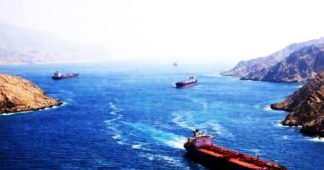
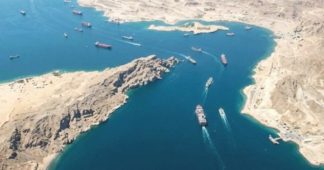
The Strait of Hormuz is a critical energy corridor through which approximately 20-25 per cent of the world’s total oil consumption passes. Even in peacetime, the intense oil tanker traffic poses a constant risk to marine life – partly through collisions with whales and porpoises, and partly through the risk of oil spills and other environmental pollution.
Iran has currently stopped all passage through the strait and, according to information provided to the BBC, plans to keep this strategically important part of the Indian Ocean closed for six months.
Long-term research work at risk of being lost
The marine biologist describes how much of the long-term work of mapping and protecting the marine environment is now at risk of being lost.
‘Research in the area has for many years sought to understand how these unique ecosystems survive in one of the world’s most extreme seas. If the war continues, we risk losing both species and decades of knowledge before we have even fully understood what is here and how the ecosystem really works.’
.
We remind our readers that publication of articles on our site does not mean that we agree with what is written. Our policy is to publish anything which we consider of interest, so as to assist our readers in forming their opinions. Sometimes we even publish articles with which we totally disagree, since we believe it is important for our readers to be informed on as wide a spectrum of views as possible.